Choose the World
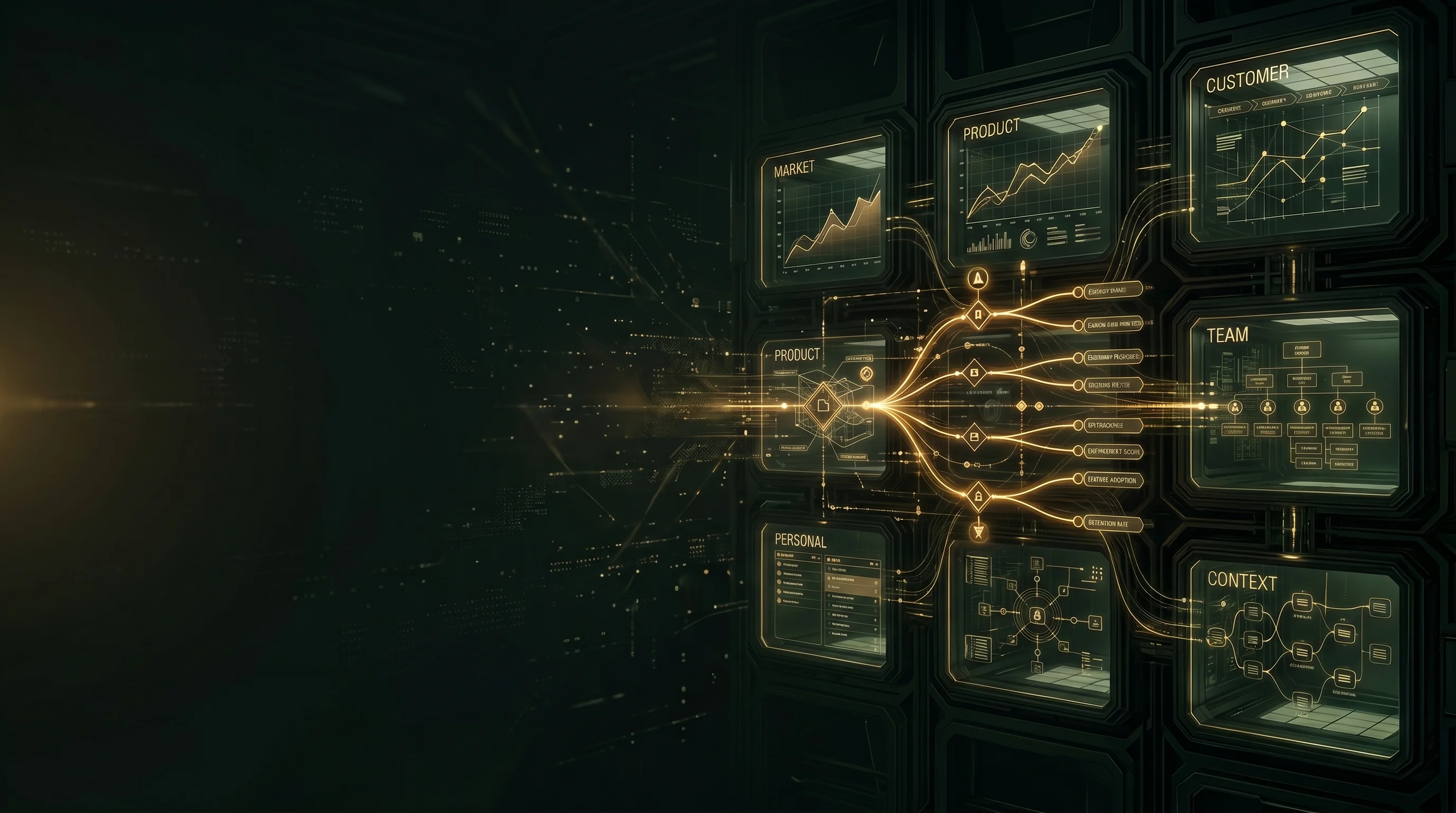
Start from the part of life or work the decision belongs to: market, product, team, client, project, or personal context.
 Manwe
Manwe MiroFish AI alternative
MiroFish is a powerful technical simulation engine. Manwe is the plug-and-play decision room for people who want advisor debate, scenario pressure, forecasts, and persistent Worlds without setting up multi-agent simulation infrastructure.
Manwe is not affiliated with MiroFish. This comparison is about workflow fit for people evaluating predictive simulation and decision-support tools.
The wedge
The public MiroFish writeup frames it as a technical predictive simulation engine for multi-agent swarm intelligence: seed material, graph retrieval, memory, agent cycles, scenario injection, and simulation outputs.
That can be powerful when the goal is to model complex social, market, or policy dynamics. It is a lot of machinery if the actual need is simpler: make a consequential decision, pressure-test the plan, and keep a record you can defend.
Manwe advantage
MiroFish can construct a simulation world from seed material. Manwe is different: you create persistent Worlds for the contexts you actually live and work inside, then choose which promoted Memory enters a run.
That means debates and scenario checks can happen inside your market world, product world, client world, team world, or personal world, with What Manwe sees making the context visible before it shapes reasoning.
Comparison matrix
The useful comparison is not which product is universally better. It is which workflow fits the job you are hiring AI to do.
| Need | MiroFish AI | Manwe |
|---|---|---|
| Setup | A technical predictive simulation stack built around agent infrastructure, graph retrieval, memory, simulation cycles, and analysis. | A plug-and-play decision system. Start from a question or plan, choose the relevant context, run the debate, and keep the record. |
| Best user | Engineers, researchers, and technical teams who want to build or operate custom swarm simulations. | Founders, operators, consultants, investors, product leaders, and teams who need a decision they can act on. |
| Core object | A simulated population or agent environment generated from seed material and technical configuration. | A selected World, advisor room, scenario test, and decision record tied to persistent context. |
| Context model | The simulation world is built from supplied material, retrieval, graph structure, and agent memory. | Worlds, promoted Memory, relationships, and What Manwe sees keep your real context inspectable before a run. |
| Workflow | Construct the simulation, run agents through cycles, observe emergent behavior, and inspect the report. | Bring a decision, let advisors argue, test risks and futures, then leave with a verdict and next actions. |
| Debate | Agents interact inside a simulated environment to reveal possible system behavior. | Role-bound advisors debate the actual decision, including dissent, objections, and conditions that would change the answer. |
| Forecasting | Focused on predictive simulation and emergent pattern analysis. | Forecasts, Future Paths, risks, watchpoints, and scenario checks are attached to the decision record. |
| Output | A simulation report or analysis of trajectories, signals, and predicted dynamics. | A decision record: verdict, confidence, evidence, dissent, assumptions, risks, forecasts, and next actions. |
| Time to value | Higher setup cost before the first useful run, especially for non-technical users. | Fast first run for decision-makers who do not want to maintain simulation infrastructure. |
| Best fit | Modeling complex social, market, policy, or population dynamics with custom simulation control. | Pressure-testing a consequential choice inside your own work, market, client, project, or personal world. |
How Manwe runs
Start from the part of life or work the decision belongs to: market, product, team, client, project, or personal context.
Promoted Memory, relationships, and selected context stay visible through What Manwe sees before the run starts.
Advisors challenge the plan, name risks, test assumptions, and explore futures around the actual decision.
The final artifact keeps verdict, dissent, evidence, forecasts, Future Paths, and next actions together.
Best-fit use cases
Use Manwe when the question is not just what could happen, but what you should do next if the bet moves forward.
Choose a work, market, client, project, or personal context and let advisors argue with that context visible.
Forecasts and Future Paths stay attached to risks, assumptions, watchpoints, and next actions.
Suggestions and drafts stay out until promoted. The run only sees the context you allow into the room.
The output is not only a prediction. It is a decision record that explains the verdict and what could change it.
Use Manwe when you need decision support without building a custom multi-agent simulation system first.
A useful boundary
If your goal is to engineer a custom population-level simulation stack, MiroFish-style infrastructure may be closer to what you want. Manwe is for the moment after scenario thinking becomes practical: which path should we choose, what could make it fail, what should we watch, and what record explains the decision later?
That is why Manwe centers the decision record. Forecasts and Future Paths matter because they change how the decision is made, defended, and revisited.
FAQ
No. Manwe is not affiliated with MiroFish. This page compares workflow fit for people evaluating predictive simulation and decision-support tools.
Not if you need to build custom swarm simulation infrastructure. Manwe is a better fit when you want plug-and-play decision pressure-testing, advisor debate, forecasts, Future Paths, and decision records.
MiroFish is closer to a technical predictive simulation engine. Manwe is closer to a world-aware decision room where you choose context, run debate, test scenarios, and keep a decision record.
Yes. Manwe uses Worlds, promoted Memory, relationships, review states, and What Manwe sees so context can be inspected before it shapes a run.
Public MiroFish descriptions include seed material, graph structure, and agent memory. The difference is that Manwe is built around user-maintained Worlds and governed decision memory rather than a simulation stack you configure for each technical run.
Use Manwe if you are a founder, operator, consultant, investor, product leader, or team trying to make and defend a consequential decision without setting up simulation infrastructure.